

Market Focus
Smart Buildings
Hyperspan™ helps smart building projects connect further with less supporting infrastructure. Across BMS endpoints, sensors, access control, metering, lighting controls and distributed edge devices, Hyperspan can help simplify long-distance connectivity and reduce unnecessary cabinets and mid-span hardware.
01
Why Hyperspan suits smart building environments
Smart buildings place controls, monitoring and edge devices throughout plant rooms, risers, roofs, car parks, façades and remote service zones — often beyond conventional copper planning distances.
Hyperspan is designed to help support practical longer copper pathways for building systems where the application and channel design allow it, reducing dependency on extra cabinets and active mid-span devices.
Typical advantages
- Support longer runs to BMS, sensors and building edge devices
- Reduce additional cabinets across plant areas and remote zones
- Lower dependency on intermediate switches or extenders
- Create a cleaner and easier-to-manage building systems topology
- Support stronger value engineering for smart infrastructure projects



02
The challenge with standard Cat6 in smart buildings projects
In smart building deployments, the challenge is rarely a single long link. It is the cumulative effect of many distributed endpoints — each adding cabinets, power and complexity when standard distance limitations force extra hardware into the design.
Standard Cat6 approach
- Long building-system runs often exceed standard planning assumptions
- Extra cabinets may be needed across plant rooms, roofs or remote zones
- Additional active hardware can be introduced to bridge distance
- Infrastructure can become more fragmented across building services
- More cabinets and devices can increase cost and support complexity
Hyperspan approach
- Supports a cleaner long-run strategy for smart building edge devices
- Can reduce additional cabinets across the building
- Helps remove mid-span switches or extenders from the topology
- Creates a more centralised and efficient network design
- Can improve project cost efficiency across wider smart building estates
03
Key benefits for smart buildings deployments
Longer building-systems reach
Extend connectivity further to BMS panels, sensors, meters, lighting controls and remote building endpoints.
Fewer distributed cabinets
Reduce the need for extra cabinets across plant areas, roofs, car parks and remote service zones.
Supports PoE-powered edge devices
Suitable for access control, sensors, cameras, Wi-Fi, controllers and other powered building endpoints.
Cleaner systems topology
Simplify the infrastructure model by reducing unnecessary active hardware between switch and device.
Lower maintenance burden
Fewer intermediate devices can help reduce failure points and simplify ongoing building support.
Stronger commercial case
Give consultants, integrators and operators a more efficient alternative to a traditional Cat6 smart-building layout.
04
Typical smart buildings use cases
Common deployments
- BMS panels and plant-room connectivity
- Environmental sensors and metering
- Access control and door systems
- Lighting and HVAC edge controllers
- CCTV and building security endpoints
- Wi-Fi and IoT coverage across large floorplates
Good fit where you need to:
- Reach devices further from a central rack or riser
- Reduce cabinets in distributed building layouts
- Support powered building endpoints over longer runs
- Simplify the smart building infrastructure model
- Improve value engineering on larger systems projects
Project outcomes can include
- Lower supporting hardware count
- Cleaner building-wide design
- Reduced installation complexity
- Improved serviceable area per rack
- Stronger maintenance and support model
05
Need help comparing Hyperspan against a normal Cat6 smart buildings design?
We can help review your smart building or BMS layout and compare a standard Cat6 approach against a Hyperspan-led alternative.
Send us
Floorplans, device counts, cabinet positions, longest runs and powered device requirements.
We review
Where standard Cat6 may force extra cabinets, active devices or unnecessary infrastructure.
We compare
A conventional layout against a cleaner Hyperspan option for the project.
You gain
A stronger design case, clearer cost story and a more efficient proposal for your customer.
Planning a smart building project?
Share your layout, device type and longest run distances and we’ll help assess where Hyperspan can improve the design.
Related markets
Explore similar environments
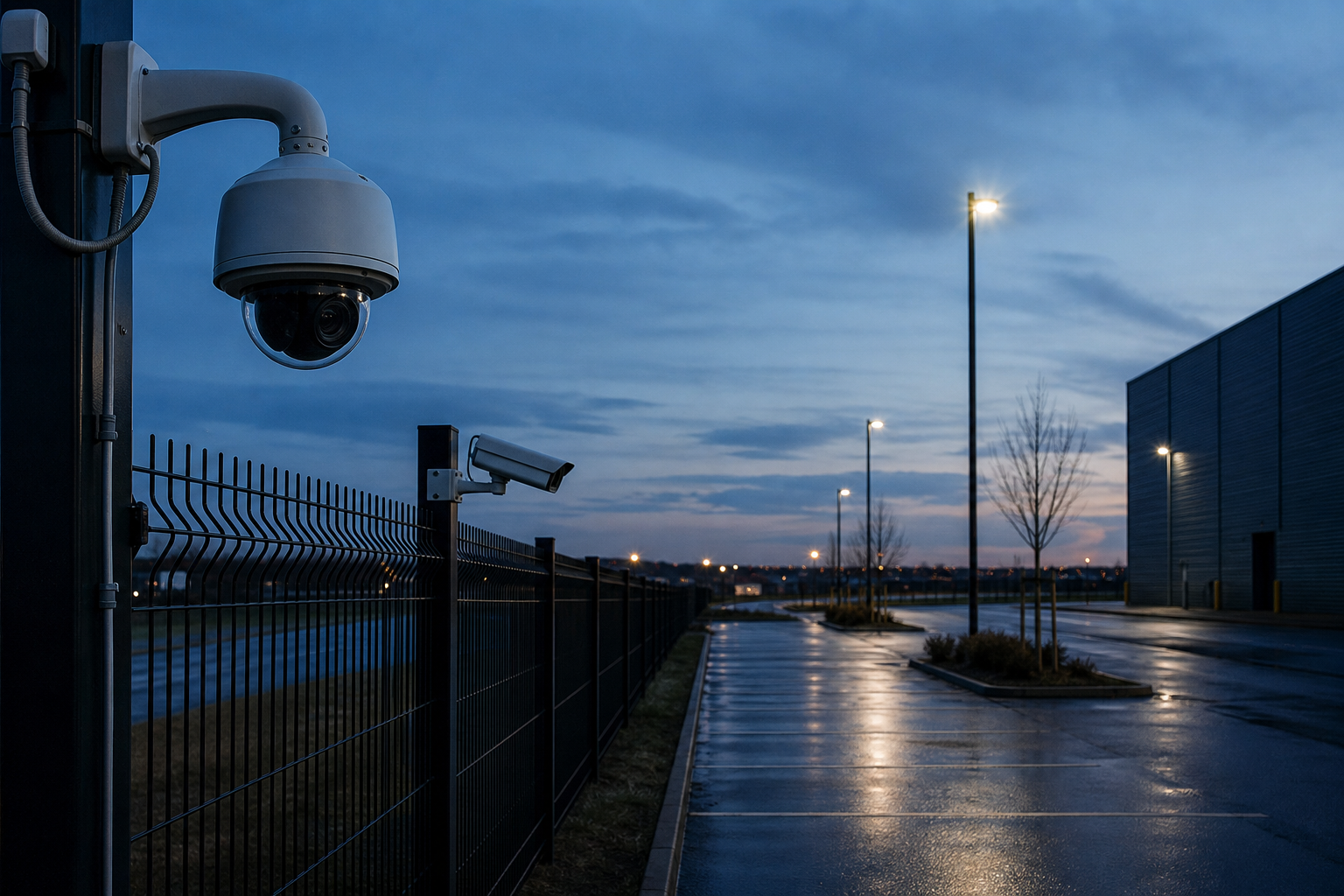
CCTV & ANPR
CCTV and ANPR projects can combine HyperScan cameras with the connectivity and racks the site needs. Where a longer copper run is the design choice, that reach comes from Hyperspan XR and still depends on the channel and the powered device.
READ MORE
Warehouse & Industrial
Hyperspan™ helps warehouse and industrial projects reach further with less supporting infrastructure. For long aisles, loading zones, production lines, yard areas and large operational spaces, Hyperspan can help reduce extra cabinets, intermediate hardware and unnecessary installation complexity.
READ MORE
Campus Networks
Hyperspan™ helps campus environments connect further with less supporting infrastructure. Across schools, colleges, universities, hospitals and wider estates, Hyperspan can help simplify long-distance connectivity to edge devices, outbuildings, perimeter assets and operational systems.
READ MORE